MOTORCYCLES • ELECTRIC PLATFORMS • PARTS

Built Around the Way Motorcycle Businesses Buy.

Gasoline motorcycles, electric motorcycle platforms and model-specific parts for importers, distributors, local assembly partners and commercial fleets.

Start with the application. Verify the fit. Define the supply and support path before the order.

PRODUCT LINES

Three Product Lines. Three Different Buying Decisions.

Each category has its own specifications, compliance questions, supply model and after-sales requirements. Explore the line that matches your business.

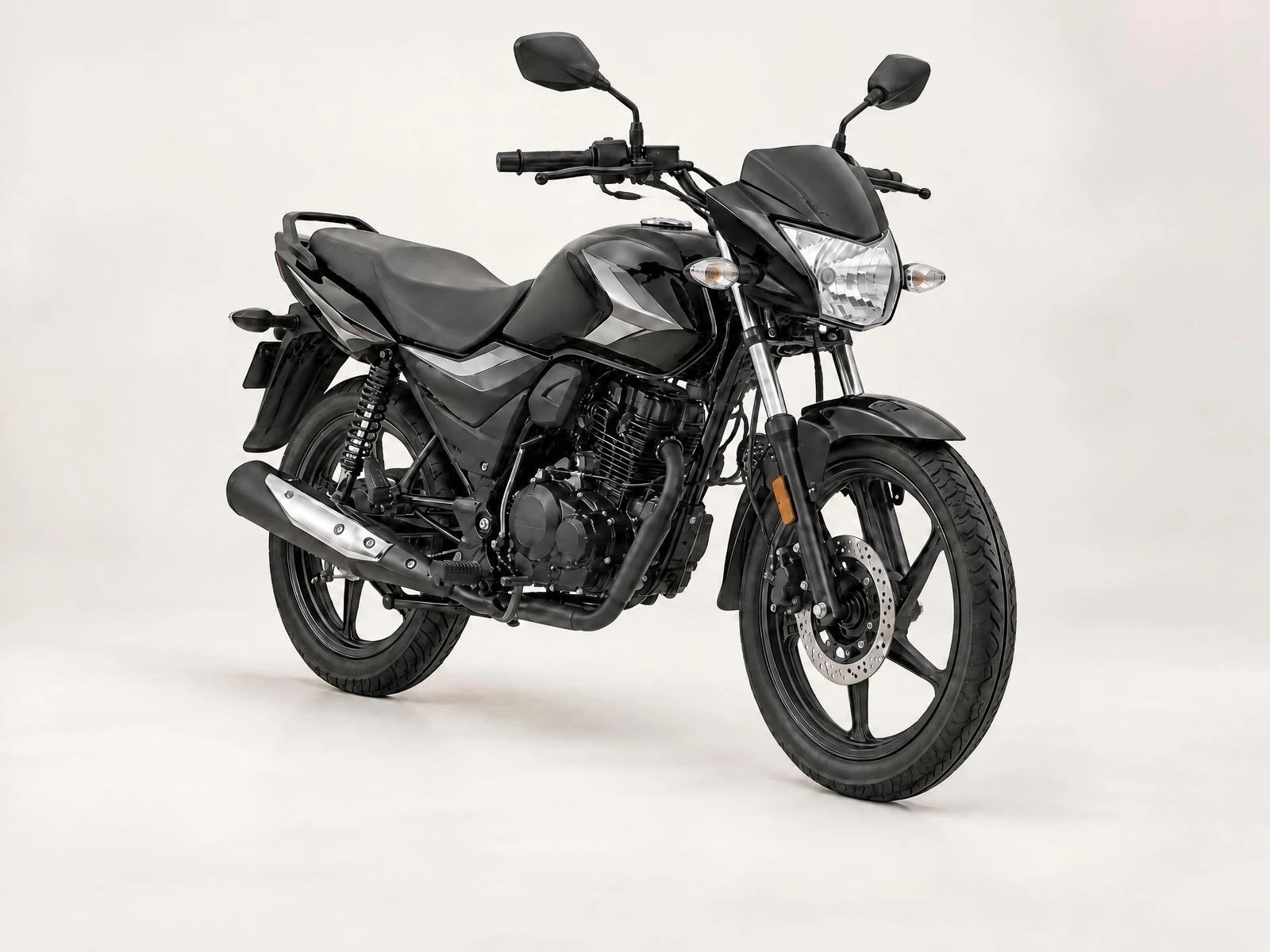
Black commuter motorcycle shown from the front three-quarter view on a light background

Gasoline Motorcycles

Commuter, work, scooter and dual-sport platforms for importers, distributors and commercial operators evaluating 110–200cc market needs.

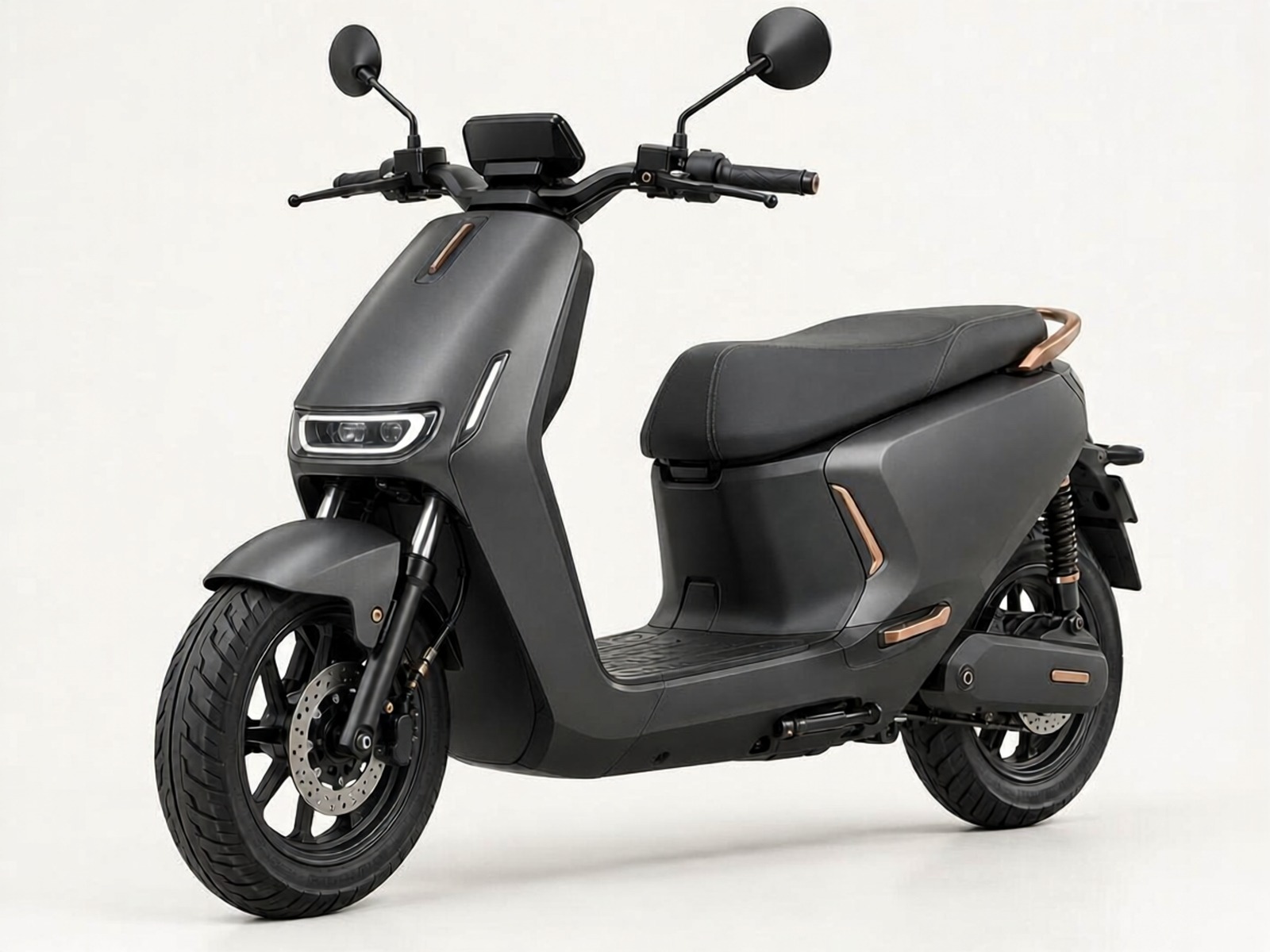
Matte black electric scooter shown from the front three-quarter view on a light background

Electric Motorcycles

Urban and commercial electric motorcycle platforms for import, ODM, CKD/SKD evaluation and fleet pilot discussions.

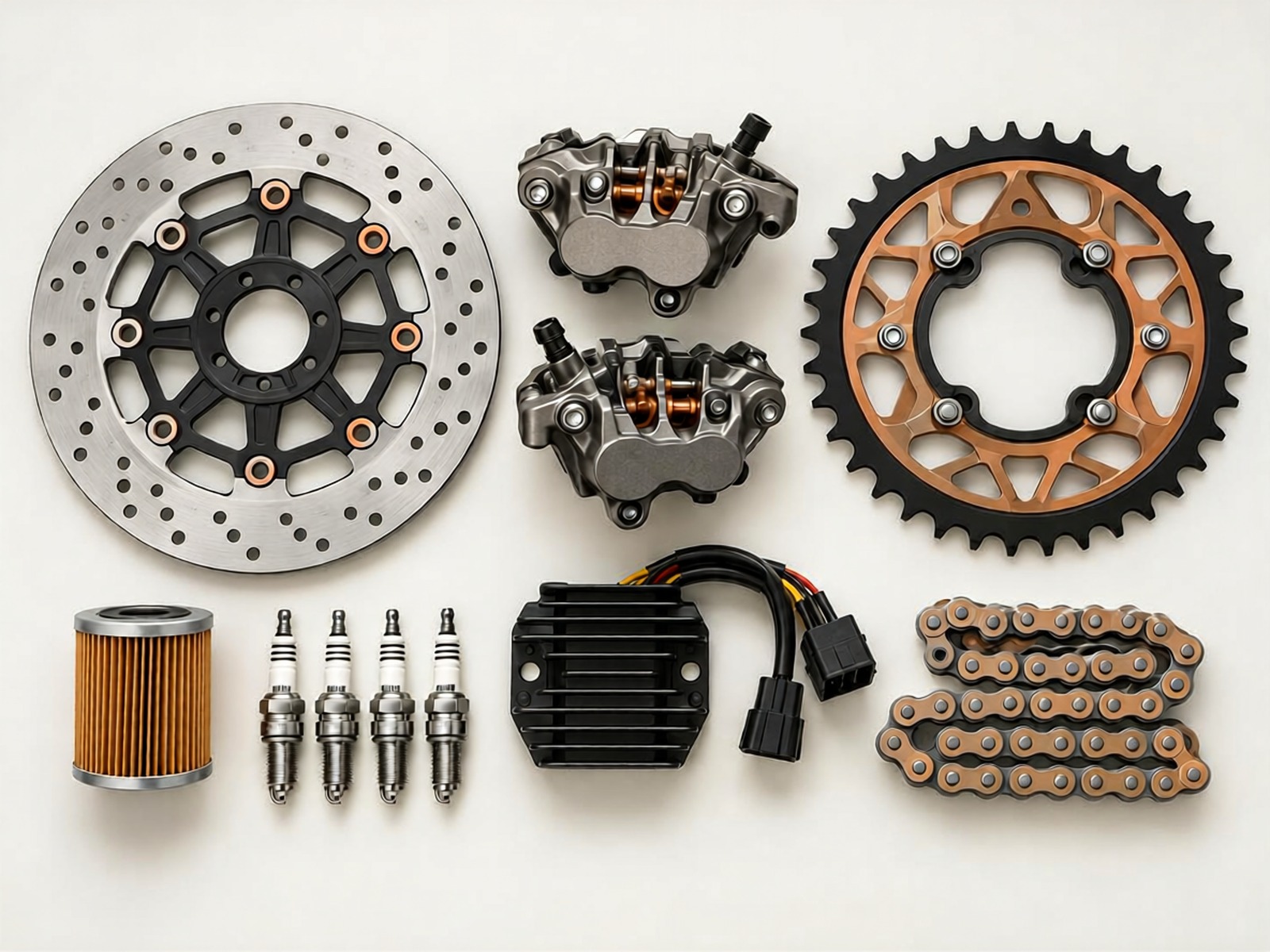
Flat lay of brake discs, calipers, sprocket, chain, spark plugs and filter on a light background

Motorcycle Parts

Model-specific replacement parts, maintenance kits and selected electric powertrain components organised for compatibility and repeat supply.

A BETTER STARTING POINT

Reduce Uncertainty Before It Reaches the Order.

A low unit price cannot correct the wrong model, the wrong part, an unclear compliance path or an unsupported after-sales plan. PengtingMotor structures the conversation around the decisions that matter first.

01

Application-Led Selection

Choose by market, road conditions, duty cycle, displacement or power—not by appearance alone.

02

Compatibility Before Quantity

Match parts by model, year, OEM reference and critical dimensions before confirming volume.

03

Requirement Visibility

Separate confirmed specifications from market-specific certification, configuration and documentation still under review.

04

Support Beyond the Vehicle

Plan spare parts, technical information, service readiness and delivery responsibilities as part of the buying decision.

COOPERATION PATHS

From Product Enquiry to a Market-Specific Supply Plan.

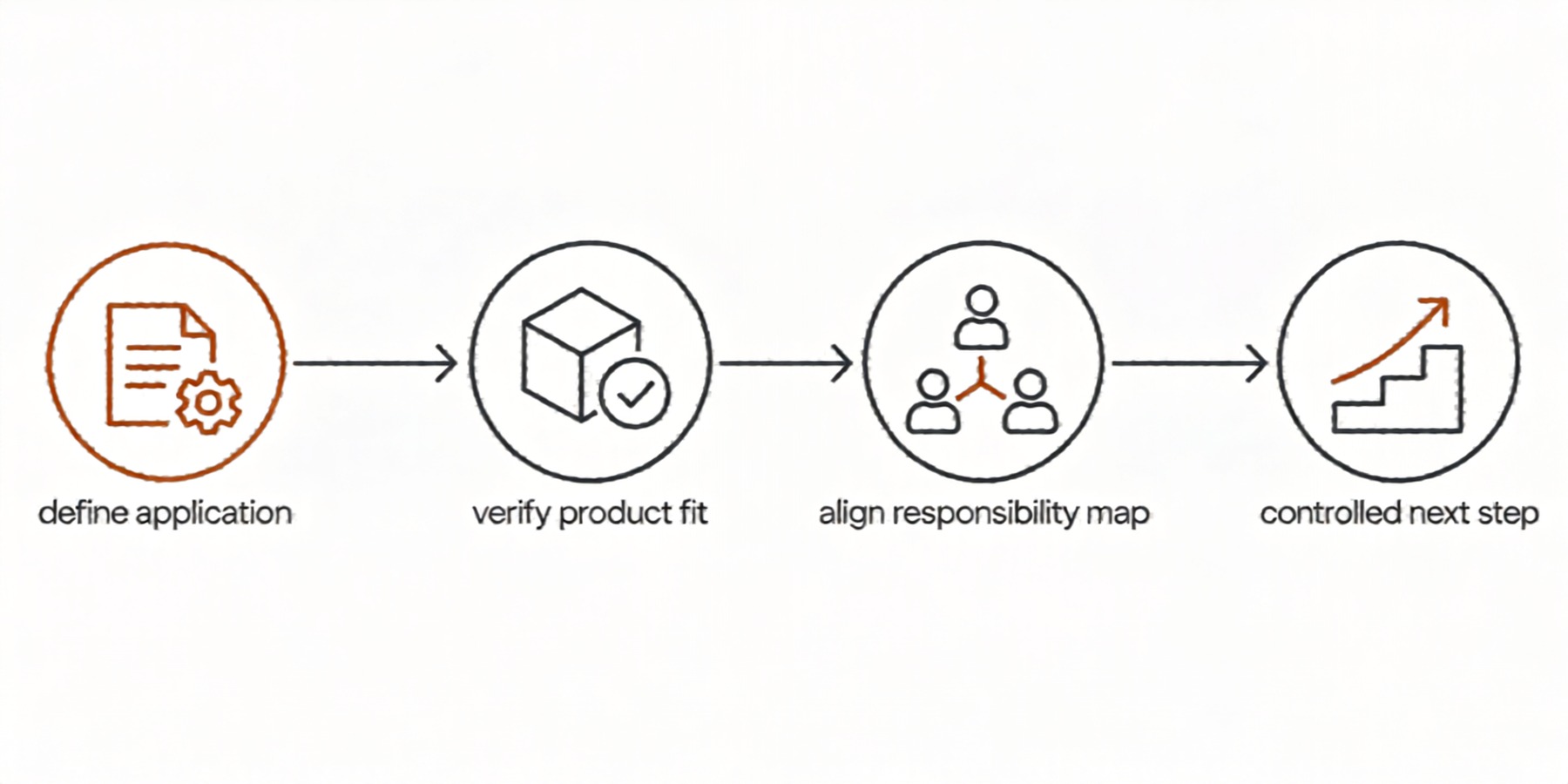
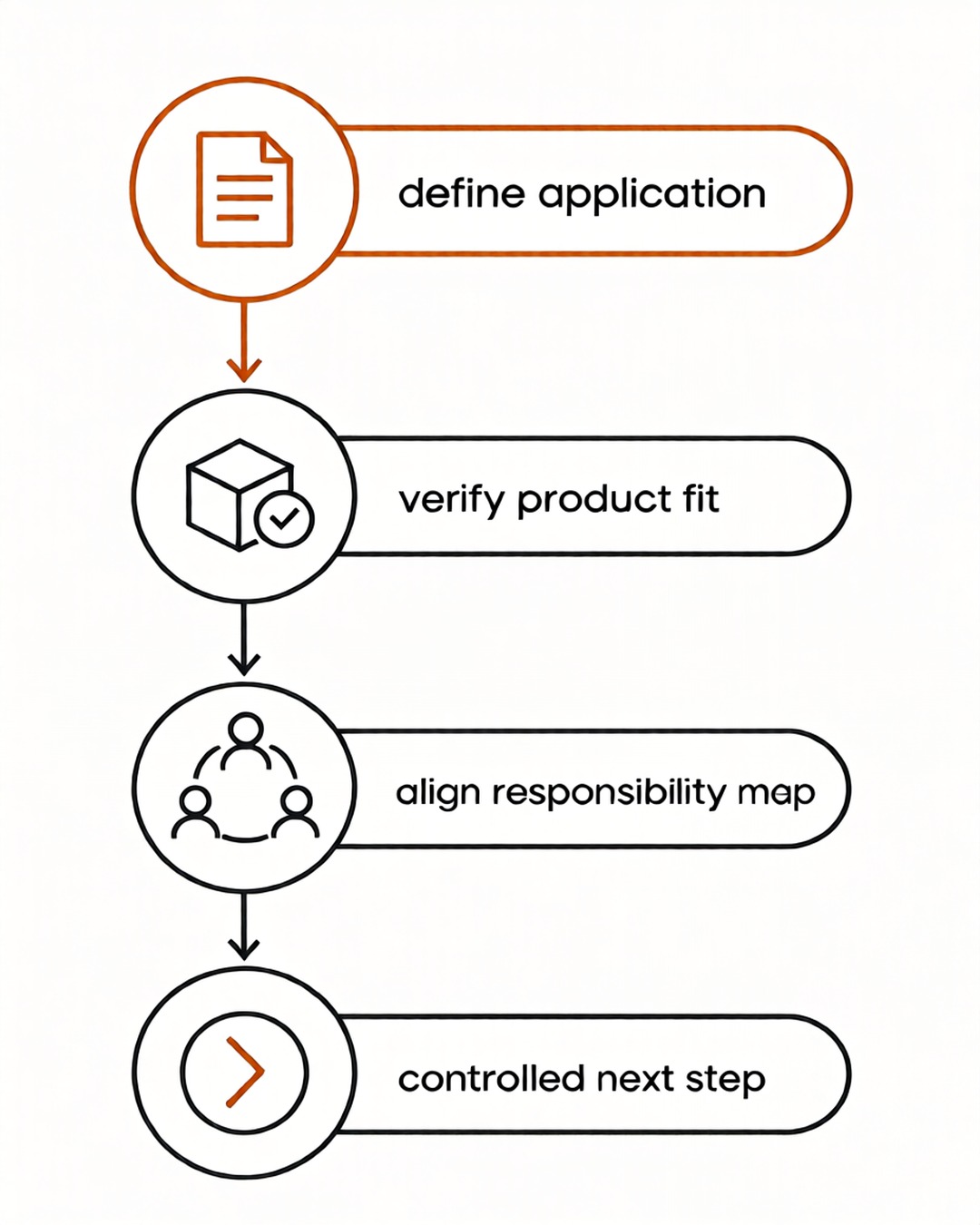
Depending on the product, target market and verified project requirements, discussions may cover complete vehicles, CKD/SKD supply, private-label or ODM development, selected systems, spare parts or fleet pilots. Feasibility is confirmed project by project.
01

Define the application

Market, buyer type, road conditions, operating cycle and target timing.

02

Verify the product fit

Configuration, compatibility, documentation and supply status.

03

Align the responsibility map

Certification, localisation, packaging, transport, service and warranty.

04

Move to a controlled next step

RFQ, sample, prototype, technical review or pilot, as applicable.

Four-step supply path diagram: define application, verify product fit, align responsibility map, controlled next step
Vertical four-step supply path diagram from define application to controlled next step
ELECTRIC MOTORCYCLE RISK GATE

Electric Mobility Requires More Than a Vehicle Specification.

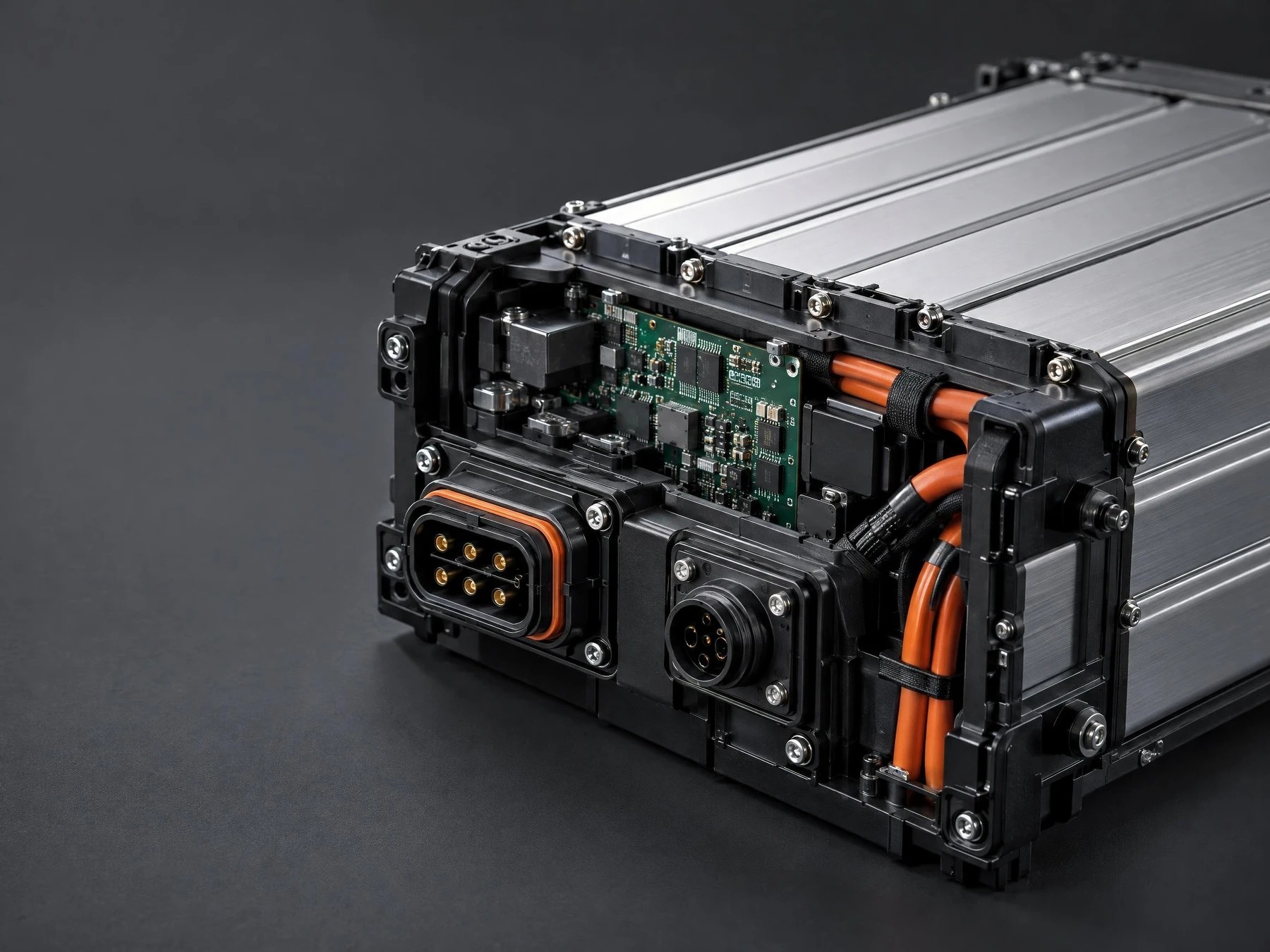
For motorcycle-class electric products, the buying decision also covers battery documentation, BMS and software traceability, charging or swapping, dangerous-goods transport, diagnostics, local registration and after-sales readiness.

—

Continuous and peak power shown separately

—

Range tied to defined test conditions

—

Battery and transport documentation reviewed by model and route

—

Charging, swapping and local service responsibilities clarified before scale-up

Close-up of an electric motorcycle battery pack with connectors and control board
BUYER RESOURCES

Make the Next Decision with Better Questions.

Use our guides to evaluate motorcycle selection, parts compatibility, electric motorcycle requirements, compliance, shipping and after-sales preparation.

Tell Us What You Need to Put on the Road.

Share your market, product category, application and target timing. We will use those details to identify the right next step—and flag what still needs to be verified.